Breast reconstruction is a deeply personal decision that often follows a breast cancer diagnosis or preventive mastectomy. While the medical aspects are important, reconstruction is also about comfort, confidence, and reclaiming a sense of normalcy after treatment. With several surgical options available today, understanding the differences can help you choose the approach that best aligns with your body, lifestyle, and goals.
What Is Breast Reconstruction?
Breast reconstruction is a surgical procedure that rebuilds the shape of one or both breasts after a mastectomy or lumpectomy. Reconstruction can be performed immediately at the time of breast removal or delayed for weeks, months, or even years. Some people choose reconstruction, while others opt not to — and both decisions are valid.
Types of Breast Reconstruction Procedures
Implant-Based Breast Reconstruction
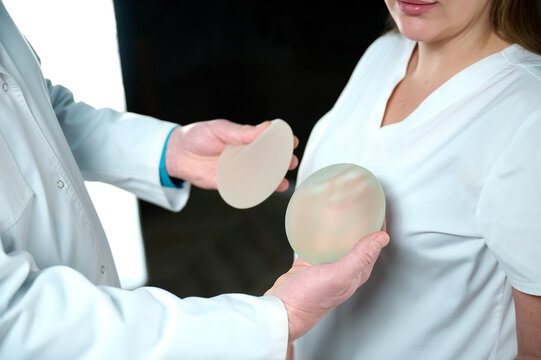
Implant-based reconstruction uses saline or silicone implants to recreate the breast mound.
How it works:
A tissue expander is often placed during or after a mastectomy to gradually stretch the skin. Once healing is complete, the expander is replaced with a permanent implant.
Pros:
- Shorter surgery and recovery time
- No additional surgical site on the body
- Predictable breast size and shape
Things to consider:
- Implants may need replacement in the future
- Results may feel firmer or less natural
- Radiation therapy can affect outcomes
This option may be ideal for people seeking a less complex surgery or who are not candidates for tissue-based procedures.
Flap (Autologous Tissue) Reconstruction
Flap reconstruction uses your own skin and fat — sometimes muscle — from another area of the body to rebuild the breast.
Common flap procedures include:
- DIEP flap. Uses abdominal tissue while preserving muscle.
- PAP flap. Uses skin and fat from the back of the upper thigh.
- TDAP flap. Uses tissue from the upper back.
- GAP flap. Uses a blood vessel running through the buttocks, along with skin and fat from the buttock area.
- APEX flap. Uses the patient’s own excess fat from the lower abdomen.
Pros:
- More natural look and feel
- Results change naturally with weight fluctuations and aging
- No implants to maintain
Things to consider:
- Longer surgery and recovery time
- Additional scarring at the donor site
- Not all patients are medically eligible
Flap reconstruction may appeal to those who want the most natural result and are comfortable with a longer recovery.
Hybrid Reconstruction
Hybrid reconstruction combines natural tissue with an implant to enhance shape or volume. This approach can be helpful for patients with limited donor tissue or specific aesthetic goals.
Nipple and Areola Reconstruction
For those who want it, nipple and areola reconstruction is often the final step. Options include minor surgery, medical tattooing, or both. Some people choose to skip this step, while others find it helps create a sense of completion.
Tips for Choosing the Right Reconstruction Option
- Think long-term. Consider how each option fits your future health, maintenance, and lifestyle.
- Ask about recovery. Understand time off work, activity limitations, and support needed at home.
- Discuss cancer treatments. Radiation and chemotherapy can affect timing and outcomes.
- View before-and-after photos. Seeing real results can help set realistic expectations.
- Get a second opinion. Especially if you feel uncertain or want to explore more options.
Advice From Breast Reconstruction Specialists
- Choose a board-certified plastic surgeon with specific experience in breast reconstruction.
- Don’t rush your decision, as most reconstruction options remain available even years later.
- Be honest about your goals, concerns, and fears during consultations.
- Remember that reconstruction is a process, often completed in stages.
Frequently Asked Questions (FAQ) About Breast Reconstruction Options
Is breast reconstruction mandatory after mastectomy?
No. Reconstruction is entirely optional. Many people choose it, and many do not. Both choices are equally valid.
When can reconstruction be done?
Reconstruction can be done immediately during mastectomy or delayed until after cancer treatment is complete.
Will reconstructed breasts feel the same as before?
While appearance can be restored, sensation is often reduced or different. Some sensation may return over time.
How long does recovery take?
Recovery varies by procedure. Implant-based reconstruction may take a few weeks, while flap surgery can take several months for full recovery.
Will insurance cover breast reconstruction?
In many cases, yes. U.S. law requires most health insurance plans to cover breast reconstruction following mastectomy, including procedures to achieve symmetry.
Can I change my mind later?
Yes. Many people adjust their reconstruction plan over time or choose reconstruction years after mastectomy.
Breast reconstruction is not just a medical decision; it’s a personal one. Understanding your options empowers you to make choices that align with your body, values, and vision for the future. Whether you choose implants, flap surgery, a hybrid approach, or no reconstruction at all, the right choice is the one that feels right for you.
Taking the time to learn, ask questions, and work closely with your care team can help ensure that your reconstruction journey supports both your healing and your sense of self.
How to Contact Us
Have questions or ready to take the next step in your breast cancer care or reconstruction journey?
Contact ReCenter today to connect with our expert team of board-certified breast surgeons and breast reconstruction specialists. Located in Baton Rouge, Louisiana, we provide compassionate, personalized care using the most advanced surgical techniques. Call us, send a message, or schedule a consultation to learn how we can support you every step of the way.